
Ragi, also known as finger millet, has been a staple in Indian kitchens for centuries — and for good reason. Yes, ragi is good for weight loss and can help manage blood sugar levels, thanks to its high fiber content and low glycemic index. It keeps you full for longer, releases energy slowly, and packs in nutrients that most refined grains simply don’t offer.
If you’re trying to lose weight, manage diabetes, or simply eat cleaner, ragi deserves a spot on your plate. Here’s everything you need to know about its benefits, how to use it, and what to watch out for.
What Is Ragi?
Ragi is a small, reddish-brown millet grain that has been part of Indian diets — especially in South India — for generations. It’s naturally gluten-free, rich in fiber, and loaded with calcium, iron, and essential amino acids. Unlike refined wheat or rice, ragi is minimally processed, which means it retains most of its natural nutrition.
It’s commonly consumed as roti, porridge, dosa, malt, or laddus, making it easy to fit into almost any meal of the day.
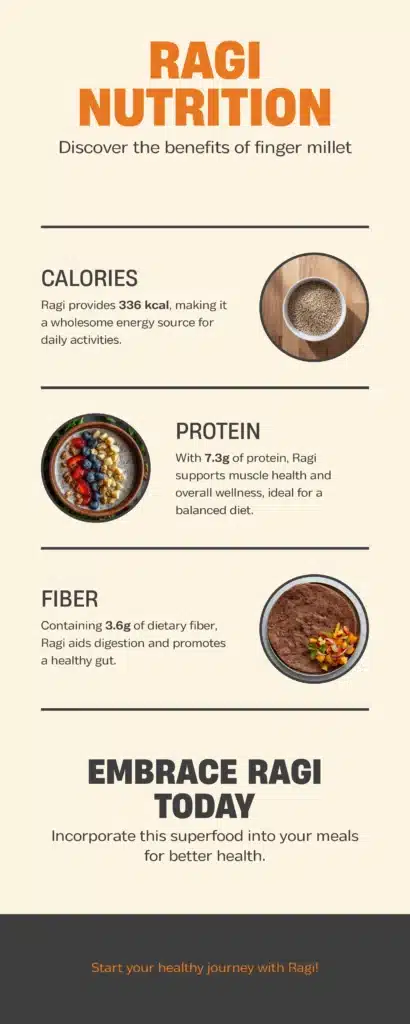
Ragi Nutrition Facts (Per 100g)
| Nutrient | Amount |
|---|---|
| Calories | ~336 kcal |
| Protein | ~7.3 g |
| Dietary Fiber | ~3.6 g |
| Carbohydrates | ~72 g |
| Calcium | ~344 mg |
| Iron | ~3.9 mg |
| Fat | ~1.3 g |
This nutrient profile is what makes ragi stand out — it has more calcium than most other grains and significantly more fiber than polished rice or refined wheat flour.
Is Ragi Good for Weight Loss?
How Ragi Helps with Fat Loss and Appetite Control
Ragi’s high fiber content is its biggest asset when it comes to weight management. Fiber slows down digestion, which keeps you feeling full for longer and reduces the urge to snack between meals. This makes it easier to maintain a calorie deficit without feeling deprived.
Ragi also has a low glycemic index compared to white rice and refined wheat. This means it releases glucose into the bloodstream more gradually, avoiding the sharp insulin spikes that often lead to fat storage and sudden hunger pangs a couple of hours after eating.
Additionally, ragi contains a good amount of plant-based protein and essential amino acids, which support muscle maintenance during weight loss — something that’s often overlooked when people cut calories.
Best Time to Eat Ragi for Weight Loss
Most nutritionists suggest having ragi at breakfast or dinner. A bowl of ragi porridge in the morning keeps you full through the first half of the day, while a light ragi roti at dinner supports overnight digestion without the heaviness of refined carbs. Avoid pairing it with excess sugar or ghee if weight loss is the primary goal — the grain does the work, but portion and preparation still matter.
Ragi Benefits for Diabetics
One of the most common questions people ask is whether ragi is safe — or even beneficial — for diabetics. Ragi’s low glycemic index means it causes a slower, more gradual rise in blood sugar compared to white rice or maida. The high fiber content also plays a role here, slowing down carbohydrate absorption and helping prevent sudden sugar spikes after meals.
This is why ragi is often recommended as a smarter substitute for refined grains in a diabetic-friendly diet. That said, ragi is not a cure or a substitute for medical treatment — it should be included as part of a balanced diet, and portion sizes still matter even with low-GI foods.
If you have diabetes or any other health condition, it’s always best to consult your doctor or a registered dietitian before making significant changes to your diet. This article is meant to provide general nutritional information, not medical advice.
Other Health Benefits of Ragi
Beyond weight loss and blood sugar management, ragi offers several other advantages:
- Bone health: Ragi is one of the richest plant-based sources of calcium, making it useful for maintaining bone density, especially for those who don’t consume dairy.
- Iron for anemia: Its iron content makes it a good addition to the diet for people prone to iron deficiency, particularly women.
- Naturally gluten-free: Ragi is completely gluten-free, making it a safe and nutritious grain option for people with gluten intolerance or celiac disease.
- Good for digestion: The fiber in ragi supports regular bowel movements and gut health when consumed with adequate water intake.
How to Add Ragi to Your Daily Diet
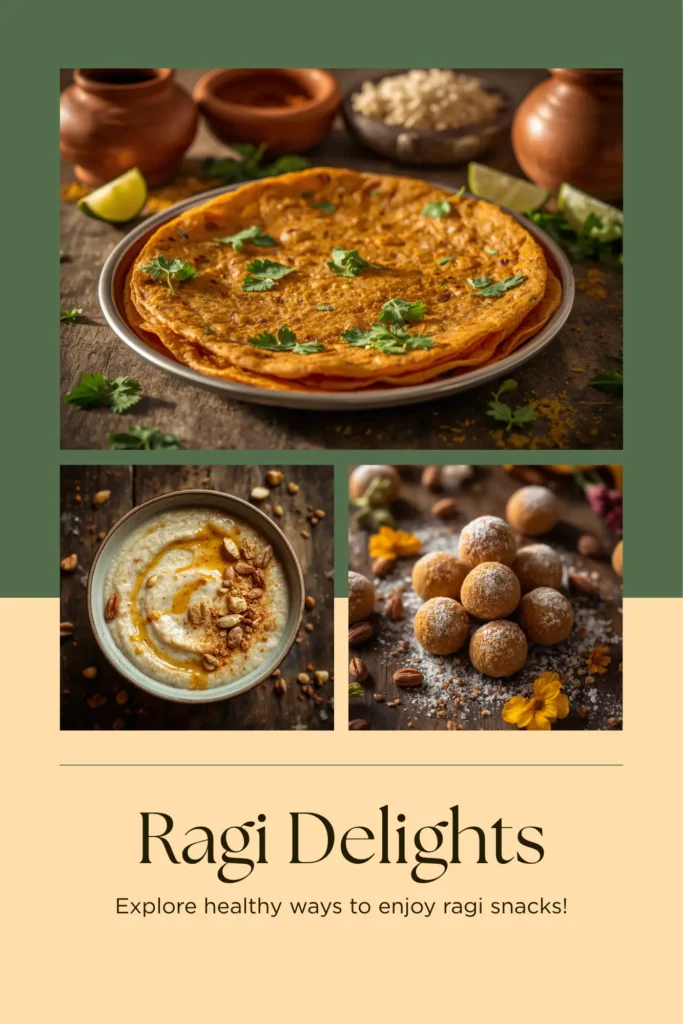
Ragi is versatile and easy to work into everyday meals:
- Ragi roti or dosa — a simple swap for wheat roti or regular dosa at any meal
- Ragi porridge (ragi malt) — a comforting breakfast option, especially with milk and a touch of jaggery
- Ragi laddus — a convenient, on-the-go snack that satisfies sugar cravings without the sugar crash
- Ragi flour in baking — can be mixed into cookies, pancakes, or homemade bread for added nutrition
If you’re looking for a quick, no-prep way to enjoy ragi’s benefits, JustShudh’s Sugar-Free Ragi Laddu is made with natural ingredients and no added sugar — a simple way to get ragi’s goodness in a ready-to-eat form.
Are There Any Side Effects of Eating Ragi?
Ragi is generally very safe for most people, but there are a few things to keep in mind:
- Constipation: While ragi’s fiber usually supports digestion, eating too much of it without sufficient water intake can occasionally cause constipation, especially if your body isn’t used to a high-fiber diet.
- Thyroid concerns: Ragi contains goitrogens, natural compounds that may interfere with thyroid function in very large quantities. People with hypothyroidism should consume it in moderation and ideally check with their doctor.
- Oxalate content: Ragi has some oxalates, which in excessive amounts could be a concern for people prone to kidney stones.
Frequently Asked Questions
The Bottom Line
Ragi is a nutrient-dense, naturally gluten-free grain that supports both weight loss and blood sugar management — making it a smart addition to almost any diet. Whether you enjoy it as a roti, porridge, or a convenient laddu, the key is consistency and moderation.
Looking for an easy way to include ragi in your daily routine? Try JustShudh’s Sugar-Free Ragi Laddu — made with clean, natural ingredients and no added sugar.