
Let me be honest with you. I spent months adding flax seeds to my smoothie every single morning, feeling very healthy about it — only to find out I was doing it completely wrong. The seeds were going straight through my system without being digested at all. Not ideal.
If you’ve been sprinkling whole flax seeds on your salad or dropping them into your dal, you might be making the same mistake. The good news? Once you know how to eat flax seeds correctly, they’re one of the most powerful little things you can add to your daily routine — whether your goal is weight loss, better skin, hormonal balance, or just feeling good overall.
Let’s get into it.
Why Flax Seeds Deserve a Spot in Your Kitchen
Before we talk about how to eat them, let’s quickly talk about why they’re worth eating at all.
Flax seeds — also called alsi seeds in Hindi — are tiny, but they pack an impressive amount of nutrition. They’re one of the richest plant-based sources of omega-3 fatty acids, which most of us in India are genuinely deficient in (especially if you don’t eat fish). They’re also loaded with lignans (plant compounds that support hormonal health), fibre (both soluble and insoluble), and a decent amount of plant-based protein.
For women specifically, flax seeds have been studied for their role in balancing oestrogen levels, easing PMS symptoms, and even supporting bone health post-menopause. For men, the omega-3s and antioxidants support heart health and reduced inflammation — both things we tend to ignore until we really shouldn’t.
Rule #1 — Always Grind or Buy Ground Flax Seeds
Whole flax seeds look great in your Instagram stories, but they do very little for your body. To actually absorb the omega-3s and lignans, you need to either:
- Grind them fresh using a small coffee or spice grinder (takes 10 seconds)
- Buy flaxseed powder (sometimes called ground flaxseed) — just make sure it’s stored in a dark, airtight container because the oils can go rancid quickly
- Soak them overnight — more on this in a moment
At JustShudh, we work with flax seeds that are clean, single-origin, and free from additives — because the quality of your seed directly affects what you absorb.
Rule #2 — Soak Them Overnight for Maximum Benefit
If grinding feels like extra effort, soaking is your answer.
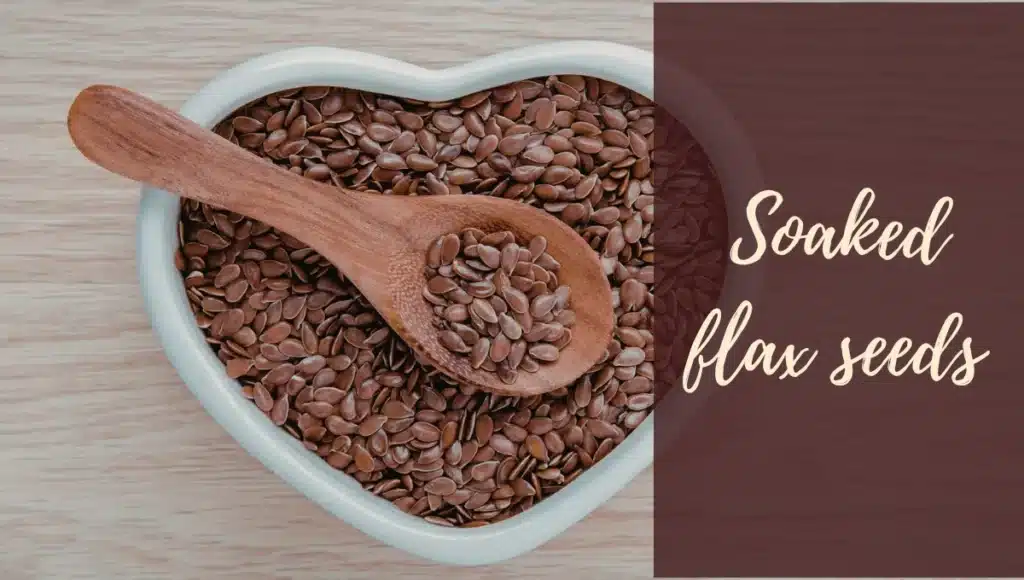
Take a teaspoon of flax seeds and soak them in a small glass of water overnight. By morning, the seeds will have absorbed the water and formed a slightly gel-like coating. This gel contains mucilage — a type of soluble fibre that’s incredible for your gut lining, helps with constipation, and slows down sugar absorption.
It sounds simple. It works.
Rule #3 — Eat Roasted Flax Seeds as a Snack (The Easiest Way)
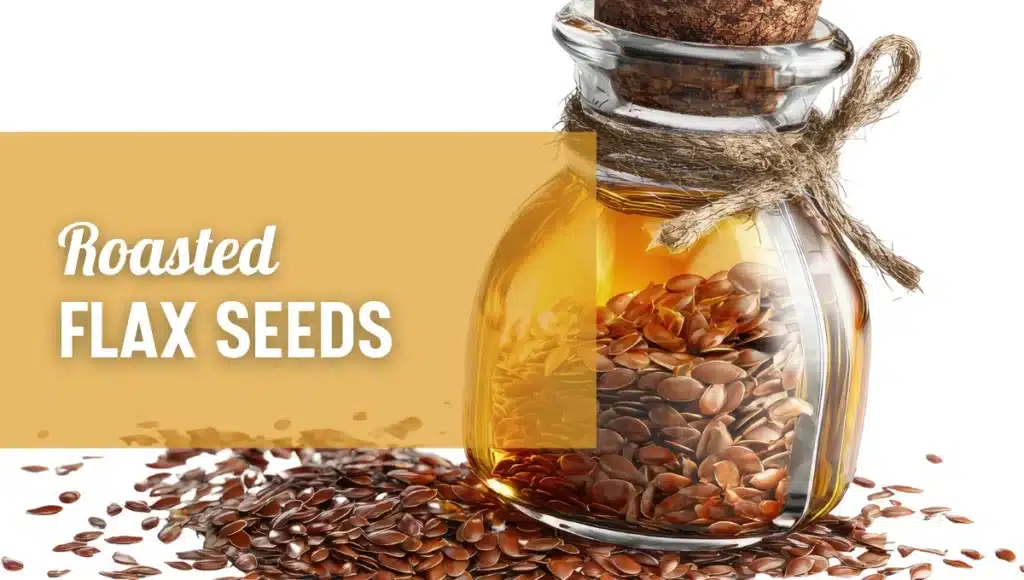
Roasted flax seeds are honestly underrated. Dry-roasted in a pan for a few minutes, they develop a nutty, slightly earthy flavour that’s surprisingly addictive. You can eat them as-is, or sprinkle them over curd, poha, or even your sabzi.
Roasted flax seeds benefits include everything you’d get from the raw version — just slightly more bioavailable for some people because the roasting process makes the outer shell a bit easier to crack. They’re also shelf-stable and easy to carry around as a snack.
One thing to watch: don’t over-roast them. High heat for extended periods can damage the delicate omega-3 fatty acids. Light roasting — about 3-4 minutes on medium heat until fragrant — is the sweet spot.
How Much Flax Seeds Should You Eat Daily?
This is the most common question, and the answer is genuinely simple: 1 to 2 tablespoons per day is ideal for most adults.
That’s roughly 10-15 grams. More isn’t necessarily better — too much fibre too fast can cause bloating and digestive discomfort, especially if you’re just starting out. Begin with one teaspoon and work your way up over two to three weeks.
When to eat flax seeds?
- Morning on an empty stomach — soaked version works best here
- With your breakfast — stir ground flax into oats, smoothies, or curd
- As a mid-morning snack — roasted flax seeds with a pinch of chaat masala
- Mixed into rotis or parathas — add 2 tablespoons of flaxseed powder to your atta

How to Eat Flax Seeds for Weight Loss
Let’s address this one properly, because it comes up a lot.
Flax seeds aren’t a magic weight-loss food. But they genuinely support weight management in a few ways:
- The fibre keeps you full — soluble fibre absorbs water and expands in your stomach, which means you naturally eat less without feeling deprived
- They stabilise blood sugar — the gel-forming fibre slows glucose absorption, preventing those sharp spikes and crashes that lead to cravings.
- They support a healthy gut — and we’re learning more every year about how gut health is tied to metabolism and weight
For weight loss specifically, the best approach is to eat flax seeds in the morning — either soaked in water on an empty stomach, or mixed into your breakfast. Pair them with a protein source (eggs, paneer, dal) and you’ve got a genuinely satisfying start to your day.
Easy Ways to Add Flax Seeds to Your Daily Life
Here are some no-fuss ways that actually fit into a real Indian kitchen:
Add to chai or warm water — stir ground flax into a glass of warm water with lemon in the morning
Mix into your curd — a tablespoon of ground flax into dahi with a little honey is a 30-second breakfast upgrade
Make alsi ki chutney — roasted alsi seeds blended with garlic, chilli, and a bit of cumin make a delicious dry chutney that goes with everything
Bake it in — flaxseed powder in laddoos, muffins, or even chaklis adds nutrition without changing the taste much
Sprinkle on salads — toasted flax seeds add crunch without overpowering the flavour
At JustShudh, we believe healthy eating shouldn’t require complicated recipes or expensive imports. Flax seeds are one of India’s oldest superfoods — alsi has been used in Ayurvedic cooking for centuries — and they deserve a spot back in your daily routine.
A Few Things to Keep in Mind
Flax seeds are generally very safe, but a couple of things worth knowing:
- Drink enough water — because of the high fibre content, you need to stay hydrated or you might actually feel more constipated instead of less
- Don’t go overboard — stick to 1-2 tablespoons. More than 3-4 tablespoons per day over a long period can interfere with some medications
- Pregnant women should consult their doctor first — the lignans can have mild hormonal effects
- Store properly — ground flax goes rancid faster than whole seeds. Store in the fridge in an airtight container and use within a month
Try Our Shudh Nature’s Seed Laddu
Looking for an easy and delicious way to add healthy seeds to your diet? Our handcrafted Shudh Nature’s Seed Laddu is packed with the goodness of premium flax seeds and other nutrient-rich seeds. Made honestly, with zero preservatives.
Shop Nature’s Seed Laddu →Can I eat flax seeds directly without grinding or soaking?
Technically yes, but you won’t absorb most of the nutrition. The hard outer shell passes through your digestive system largely intact. For actual benefits, always grind, soak, or lightly roast them first.
How many flax seeds should I eat per day?
1 to 2 tablespoons (10–15 grams) per day is the sweet spot for most adults. Start with 1 teaspoon if you’re new to it and build up gradually over 2–3 weeks to avoid digestive discomfort.
What is the best time to eat flax seeds?
First thing in the morning works best — either soaked in water on an empty stomach, or mixed into your breakfast. That said, there’s no strict rule; consistency matters more than timing.
Can flax seeds help with weight loss?
They support weight management by keeping you full longer (thanks to soluble fibre), stabilising blood sugar, and reducing cravings. They’re not a shortcut, but as part of a balanced diet they genuinely help.
Are flax seeds good for women specifically?
Yes. Flax seeds contain lignans — plant compounds that gently support oestrogen balance. Many women find them helpful for PMS symptoms, irregular cycles, and perimenopausal discomfort. As always, check with your doctor if you have a hormone-sensitive condition.
Can I eat roasted flax seeds daily?
Yes, lightly roasted flax seeds are perfectly fine to eat daily. Just keep the roasting light — 3–4 minutes on medium heat — to preserve the omega-3 fatty acids.
What happens if I eat flax seeds on an empty stomach?
Soaked flax seeds on an empty stomach are actually great for digestion. The mucilage gel coats the gut lining, aids bowel movement, and gets absorbed more easily when your stomach is empty.
Do flax seeds have any side effects?
For most people, no — as long as you stay within 1–2 tablespoons a day and drink enough water. Too much without enough hydration can cause bloating or constipation. Pregnant women should consult their doctor before adding them regularly.
Are alsi seeds and flax seeds the same?
Yes, completely. Alsi is simply the Hindi name for flax seeds (also called linseed in some regions). Same seed, same benefits.
How should I store flax seeds or flaxseed powder?
Whole flax seeds can be stored at room temperature in an airtight container for months. Ground flaxseed/powder should go in the fridge in an airtight container and used within 3–4 weeks, as the oils can turn rancid at room temperature.
The Bottom Line
Flax seeds are one of those rare things that genuinely live up to the hype — but only when you eat them the right way. Grind them, soak them, or lightly roast them. Add them consistently (not once a week when you remember). And give it 4-6 weeks before judging the results.
At JustShudh, we source our flax seeds with the same care we put into everything — whether it’s our roasted makhana, our handcrafted laddoos, or our seed mixes. No unnecessary additives, no shortcuts. Just real food, done honestly.
Because that’s what “shudh” means.